
第三章:斯图亚特初年
读 John Morrill "Stuart Britain:a very short introduction" 所做笔记与摘录,p25-42

原书简介:牛津通识读本系列的《斯图亚特英国》,”Stuart Britain:a very short introduction”,讲述在1603-1714年间统治英国的斯图亚特王朝时期的英国史。这个时期见证了英国逐渐步入现代化的种种转变,也见证了英国从绝对君主制转向君主立宪、议会共和政治框架的曲折历程。
系列上一篇:Government|治理
Chapter 3 The Early Stuarts
p25 The Crown, therefore, had formidable, but perishable, assets. There was nothing inexorable either about the way the Tudor political system collapsed, causing civil war and revolution, or about the way monarchy and Church returned and re-established themselves. Fewer men feared or anticipated, let alone sought, civil war in the 1620s or 1630s than had done so in the 1550s and 1590s. Few people felt any confidence in the 1660s and 1670s that republicanism and religious fanaticism had been dealt an irrevocable blow.
1.Moving away from Civil War
看书到这里,我为了整理思路自行整理了一下斯图亚特王朝的所有君主及其在位顺序:
James I, 1603.3-1625.3
Charles I, 1625.3-1649.1
Commonwealth 英格兰联邦,模范将军 Oliver Cromwell, 1649-1653
The Protectorate
护国公 Oliver Cromwell, 1653-1658
护国公 Richard Cromwell, 1658-1659
复辟君主,Charles II 1660.5-1685.2
James II 1685.2-1688.12
(Glorious Revolution 光荣革命, 1688.6-1689.2)
Mary II (1689.2-1694.12) and William III (1689.2-1702.3)
Queen Anne 1702.3-1714.8
背景补充:英国内战(English Civil War)发生于1642-1651,交战双方为保王党(Royalists)和议会党(Parliamentarians)。以议会方胜利为结束,处决了当时的君主查理一世,短暂建立了共和政体,之后君主复辟,复辟之后被光荣革命实质推翻,推翻后拥立玛丽和威廉为新王,还是延续了君主制的形式。
p25-26 Throughout Elizabeth’s reign (伊丽莎白一世,1558-1603年在位,都铎王朝的最后一位君主), there was a triple threat of civil war: over the wholly uncertain succession; over the passions of rival religious parties; and over the potential interest of the Continental powers in English and Irish domestic disputes. All these extreme hazards had disappeared or receded by the 1620s and 1630s. The Stuarts were securely on the throne with undisputed heirs; the English Catholic community had settled for a deprived status but minimal persecution, …… A Puritan piety and zeal was widespread, …… but the degree of confrontation between Puritans and the authorities decreased, and the ability of Puritans to organize an underground resistance movement to ungodly kings had vanished.
背景补充:从1517年开始的宗教改革(the Protestant Reformation)在原本天主教(Catholic)和东正教(Eastern Orthodox)分庭抗礼的局面下分化出了第三个派别——新教(Protestant)。因为那个年代的欧洲,宗教与生活和政治高度绑定,宗教争端成了非常严重的问题,其影响在百余年后仍未消散。在英国,传统属于天主教版图的英国出了一个亨利八世,于1530年脱离教廷(Roman Curia),建立了部分改革的英格兰教会(Church of England)。16世纪后期,随着新教的版图不断扩大,它内部也开始分化不同的派别,清教徒(Puritan)就是其中相对激进的一支——当时语境下的激进是指,反对君权神授而重视社会契约,绕过教会权威直接推崇圣经,强调简朴生活和个人自律。部分改革的国教会既和许多传统的天主教徒互相排斥,又因为“不够改革”而不受清教徒待见。
链接一下我前后读了和要读的其他牛津通识读本系列书(A Very Short Introduction series),十七世纪中,航海大发现已经完成(15世纪初到17世纪初),西班牙和葡萄牙在南美洲的殖民掠夺已经进行了好一阵(16世纪初开始)。里斯本的繁荣与日俱增,但是自身却没能形成健康的产业和资本积累,16世纪后期通货膨胀严重,流进来的钱都流向了手工业城邦与金融业发达的其他欧洲国家。这是 Jerry Brotton 的文艺复兴读本中所讲。
矿产丰盈和适于农业开发的南美洲迅速被以国运押注航海探索的两牙瓜分殆尽,给英法殖民者留下的选项只有气候恶劣、资源更少的北美。不同于南美殖民者只要威逼利诱、奴役原住民的殖民模式,北美殖民者处于不自己耕种粮食、和原住民贸易、向原住民学习生存法则,就活不下去的境地。17世纪的清教徒移民构成了大部分的英属殖民地人口,他们有的是为避乱,有的是为了在一片白纸的新天地中一手搭建理想社会(那时候的欧洲基本不认为原住民是人),有的是为了传道布教(那时候的欧洲基本认为基督教是至高真知)。可想而知殖民地内的思想动态非常活跃,克服最初的困难后又坐拥大片可供开发(侵占)的土地。就是他们奠定了北美英属殖民地内的早期文化氛围,最终建立美国,退往更北方的亲英势力和法属势力则建立了加拿大。我预计接下来会读 Robert Allison 的美国独立史读本。(但我的阅读计划永远赶不上变化)
p27 The fact that few contemporaries expected a civil war may only mean that major structural problems went unrecognized. England may have been becoming ungovernable. The fact that neither crew nor passengers of an aircraft anticipate a crash does not prevent that crash. But while planes sometimes crash because of metal fatigue or mechanical failure, they also sometimes crash because of pilot error.
2.James I
p28-31 James I was, in many ways, a highly successful king. This was despite some grave defects of character and judgement. …… James’s reign did see, however, the growth of political stability in England, a lessening of religious passions, domestic peace, and the continuing respect of the international community. …… James was a Protestant king who rule under law. He generated distaste in some, but distrust and hatred in few if any, of his subjects. Charles I’s succession in 1625 was the most peaceful and secure since 1509, and arguable since 1307.
p28-30 Thus he lectured the Commons in 1621 that their privileges derived from his gift, and this led to a row about their origins. But he was only claiming a right to comment on their use of his gift; he was not claiming, and at no point in relation to any such rights and liberties did he claim, that he had the right to revoke such gifts. It was this tactlessness, this ability to make the right argument at the wrong moment, that earned him Henry IV of France’s sobriquet, ‘the wisest fool in Christendom’.
His greatest failings, however, were not intellectual but moral and personal. …… Such a poor public image cost the king dear. His lack of fiscal self-restraint both heightened his financial problem and reduced the willingness of the community at large to grant him adequate supply. …… He left large debts, a court with an unsavoury reputation, and a commitment to fight a limited war with Spain without adequate financial means.
詹姆斯一世是一个有很多想法的君主。他在神学和君权神授的问题上不仅有自己的看法,而且很固执。但他并不那么懂得在有些时机不该说某些话,所谓进退失据、引喻失义,导致了非常糟糕的公众形象和议会的关系僵化。
他也有很多宏伟的计划,比如一力弥合天主教、东正教、以路德宗为首的新教之间的矛盾,重新统一基督教的世界版图。但是很遗憾,英国的大宪章传统(可理解为法治传统)和地方自治传统实际上使得王权受相当程度的限制,想干大事、花大钱,先问过国会。詹姆斯一世并非那种能精明的运用规则来实质性推进自身议程的君主,他的许多关键提案过不了国会这关;但从帝王术的角度讲,他也不至于是个庸君,议会的权力范围在他统治期间未扩大分毫。
p31 Parliament met when the king chose and was dismissed when its usefulness was at an end. Procedural developments were few and had no bearing on parliamentary power. Parliament had sat for less than one month in six during the reign and direct taxation counted for less than one-tenth of the total royal budget. Most members recognized that its very survival as an institution was in serious doubt. No one believed that the disappearance of Parliament gave them the right, let alone the opportunity, to resist the king.
3-4.Charles I
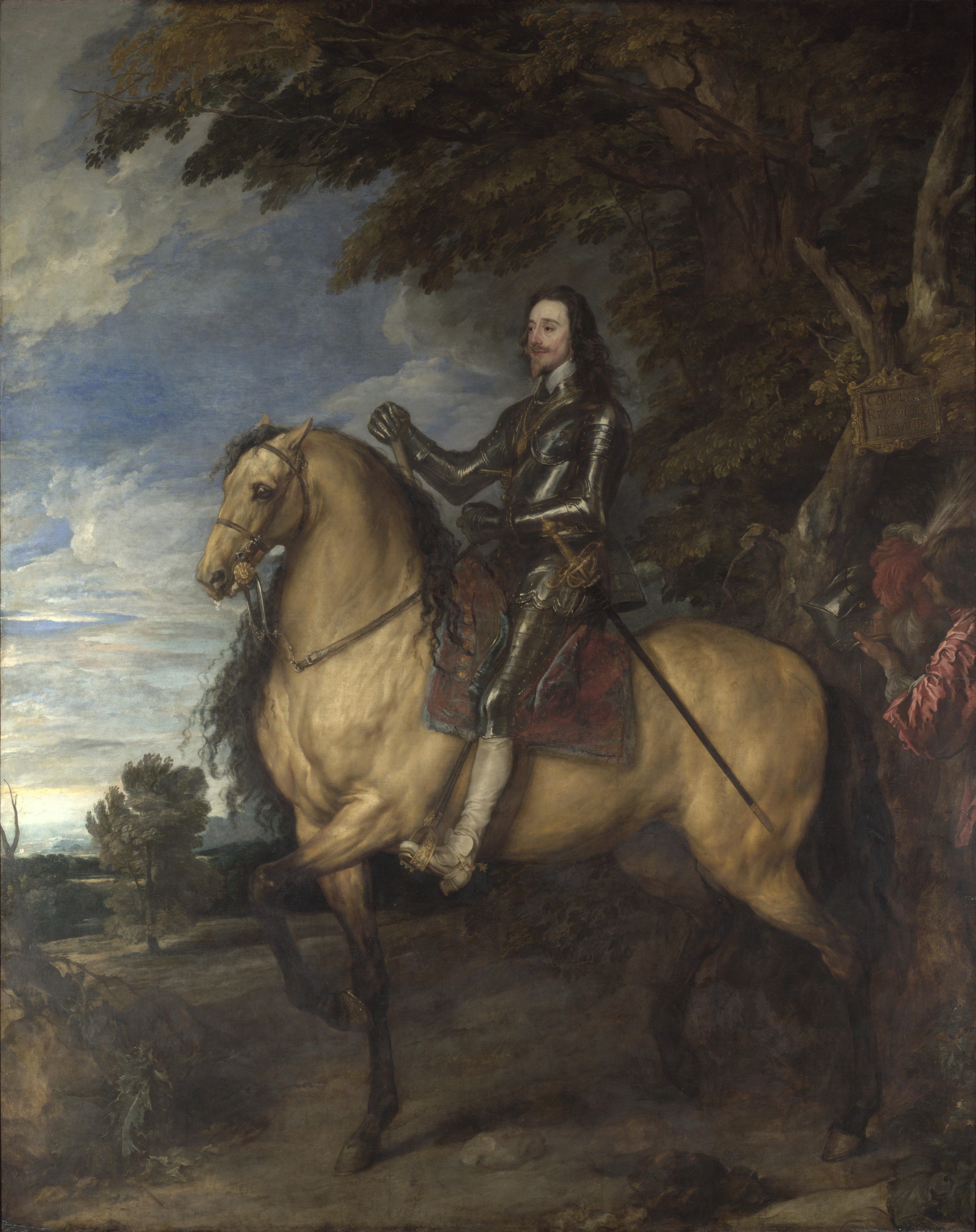
p31 Just as there is a startling contrast between Elizabeth I and James I so there is between James I and Charles I. …… He was one of those politicians so confident of the purity of his own motives and actions, so full of rectitude, that he saw no need to explain his actions or justify his conduct to his people. He was an inaccessible king except to his confidants. He was a silent king where James was voluble, a king assertive by deed not word.
查理一世的治理风格和詹姆斯一世大相迳庭。如果从很实际的角度去看,也许该说他比浮夸的詹姆斯一世干了更多的实事,政府效率得到优化、他和他的宫廷也在道德上保持了更高的水平。但要命的是,作为一个绝对君主,让人感到可信也许远比实际治理成效更重要——在这个位置上,有时做人比做事重要。
同时,在绝对君主制时期,也许对一个国王而言,不犯大错要远比其他细节上的改善或小规模遭人厌的毛病更紧要。斯图亚特王朝在从詹姆斯一世手中传到查理一世手中时,即使可能已经深埋结构性的隐患,但至少还处于相当的稳定之中。地方精英虽然时有对国王的任性妄为感到焦虑,议会虽然总对政局有各种不满,但这一切尚不至于爆发,不存在一个真实可选的替代政体,些微的不满也没有坚定为要去做什么的决心。这种潜在的紧张为互不信任和矛盾升级准备了土壤,只等着被什么重大失误而引爆。
p33 By 1629, king and Parliament had had a series of confrontations over the failure of his foreign policy, over the fiscal expedients needed to finance that policy, over the use of imprisonment to enforce those expedients, and over the king’s sponsorship of a new minority group within the Church whose beliefs and practices sharply diverged from the developing practice and teachings of the Anglican mainstream. In 1629, passions and frustrations reached such a peak that Charles decided that for the foreseeable future he would govern without calling Parliament.
p34 There was much outspoken criticism of royal policies, but no unity of criticism. Some MPs were anxious about the Crown’s religious and foreign policies, others with the legal basis of the fiscal expedients. …… All were aspirant courtiers both because of the rewards and honours that would flow from office, and because of the principles and policies they would be able to advance. No change of political institutions and no change in the constitution was envisaged. They were not proto-revolutionaries; they lacked the unity of purpose even to stand forth as an alternative government team.
由于反对阵营的散漫,国会并没有对王政形成什么实质性的压力。在整个1630年代,查理斯一世在不召开议会的情况下几乎是很好的治理了国家。他的权势在1937年登顶,拥有平衡的财务状况、 运行良好的社会和经济政策、百年未见的政治稳定程度—谁成想过这样的一个社会将在5年爆发内战呢?
如果说哪个单一的施政领域对王室的民心向背造成了最严重的打击,那必然是查理一世的宗教政策。他支持的大主教 William Land 所推行的一系列措施重唤起了几十年前那样咆哮的宗教热情和冲突。这位大主教坚定的支持罗马教庭,那怕无法不承认当前的教庭十分腐化堕落,也一再坚持维护神职人员的所有特权,强烈主张平信徒必须、也只能通过对教庭和神职人员俯首听命来得到救赎。清教徒受到极严重的迫害,英国国教徒也因此和王室离心离德。
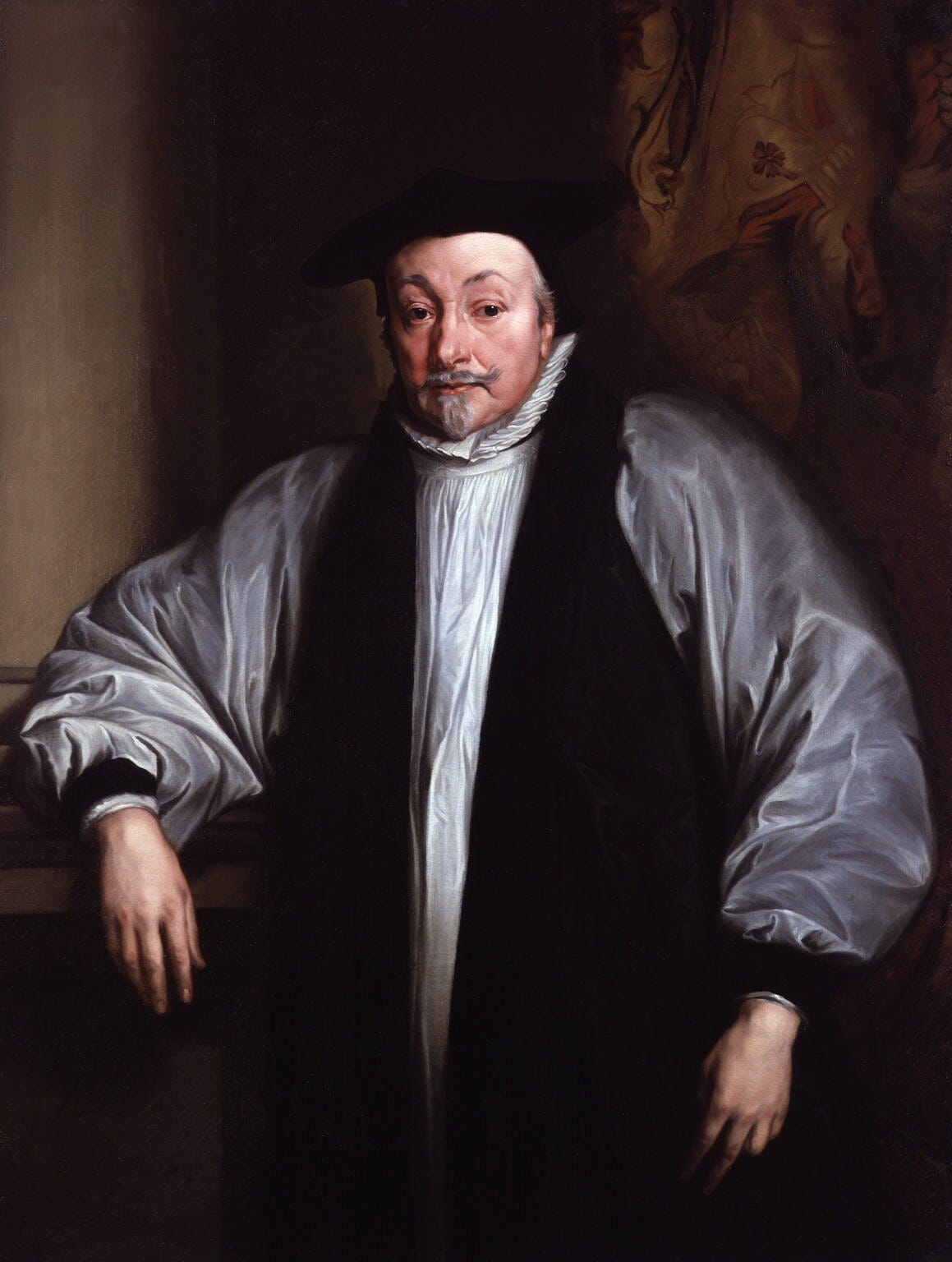
p34-36 But it was not leading to the development of an underground Church or of subversive religious activity. Indeed, those who found the religious demands of Laud unacceptable now had an option not available to previous generations: they could and did emigrate to the New World. There, freed from the persecution of the Anglican authorities, they set about persecuting one another in the name of Protestant purity.
5-6.The Outbreak of Civil War
p37 The most obvious lesson the king should have learnt from the 1620s (if not the 1590s) was that the Tudor-Stuart system of government was ill-equipped to fight successful wars, with or without parliamentary help. …… In 1637, however, he blundered with his Scots subjects.
p38-39 A unique opportunity thus arose for all those unhappy with royal policies to put things right: a Parliament was called which could not be dismissed at will. …… By the autumn of 1641 a wholly new view had emerged. It was that the king himself was so irresponsible, so incorrigible, that Parliament, on the people’s behalf, had a right to transfer to themselves powers previously exercised by the king. …… Such demands were facilitated by the fact that Charles had made very similar concessions to the Scots in his treaty with them in 1641, and the demands were given new urgency by the outbreak of the Irish rebellion in October.
p38-40 The reasons why Charles’s position collapsed so completely, so quickly, and so surprisingly are necessarily a matter of dispute amongst historians. But two points stand out. One is that once the constitutional reforms which were widely desired were achieved, Charles’s palpable bad grace, his obvious determination to reverse his concessions at the earliest opportunity, and his growing willingness to use force to that end, drove the leaders of the Commons, and above all John Pym, to contemplate more radical measures. …… But the constitutional dynamic was a limited one. The question of trust arose in relation to an urgent non-negotiable issue: the control of the armed forces to be used against the Irish rebels.
1637年尚处权力顶峰的查理在5年后迎来了内战。即使从后人的眼光来看,绝对君主制已在相继崩溃的边缘,内战于那时的爆发还是一连串重大失误的结果。
最大的催化剂就是宗教紧张和战争压力,军事失利,此前辅佐国王的许多廷臣又因各种原因都不在正常状态。还有独断专行的国王与充满敌意的议会之间不断因为对方的强硬而做出更激烈举措的恶性循环。而与此同时,议会在成长,新的可能性如此真实在望。
p40 Certainly the question of trust drew some men to the side of the Houses; but the palpably new demands now being made by Pym and his colleagues were wholly unacceptable to many others. If the king’s flirtations with popery drove some into the arms of Pym, so Pym drove others into the arms of the king by his reckless willingness to use mass picketing by thousands of Londoners to intimidate wavering members of both Houses to approve controversial measures. But for every one who took sides on the constitutional issue in 1642, there were ten who found it impossible to take sides, who saw right and wrong on both sides, and who continued to pray and to beg for accommodation and a peaceful settlement.
原书信息:Morrill, John. (1984). Stuart Britain: A Very Short Introduction. Oxford University Press. ISBN 0-19-285400-3